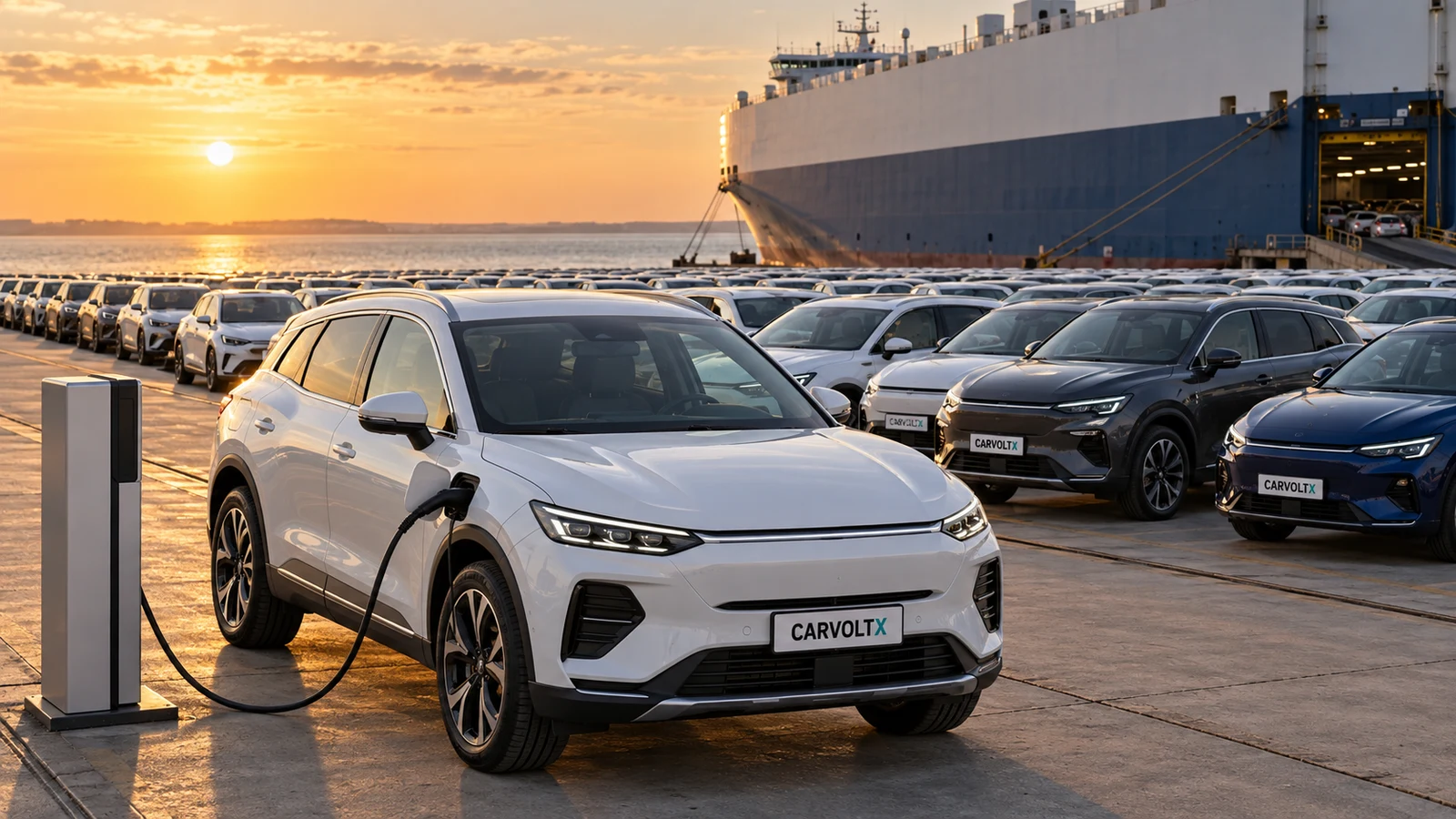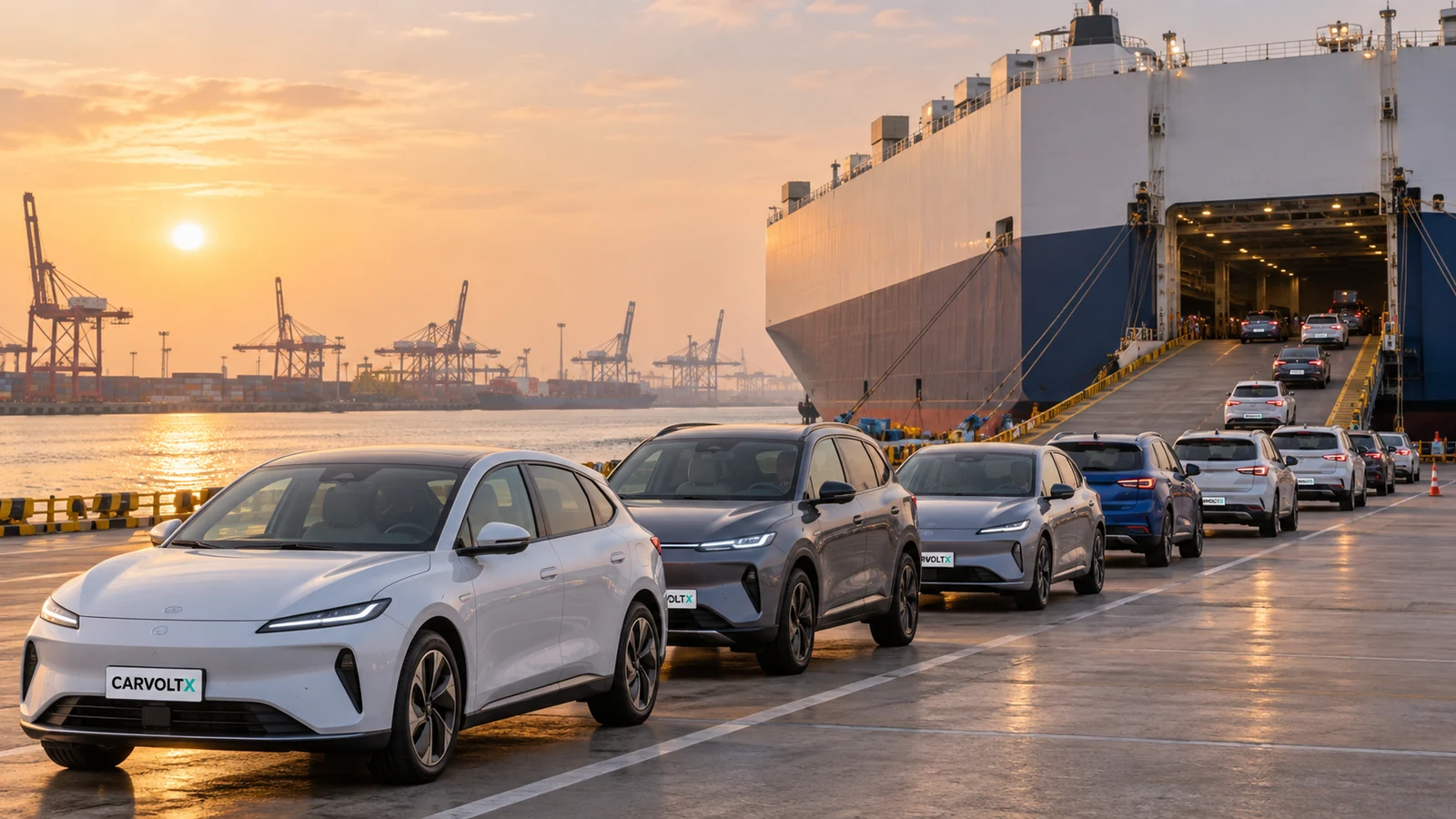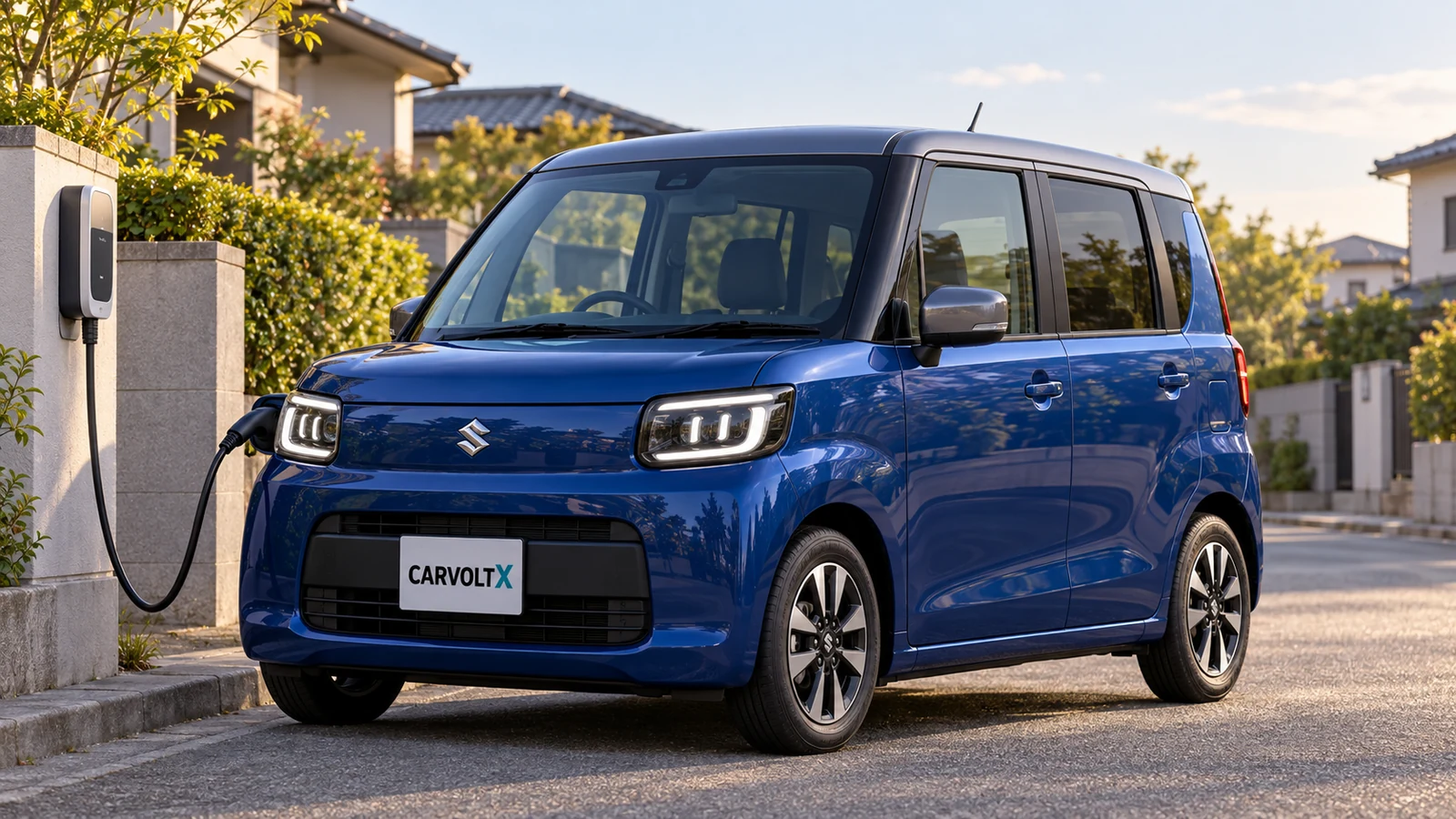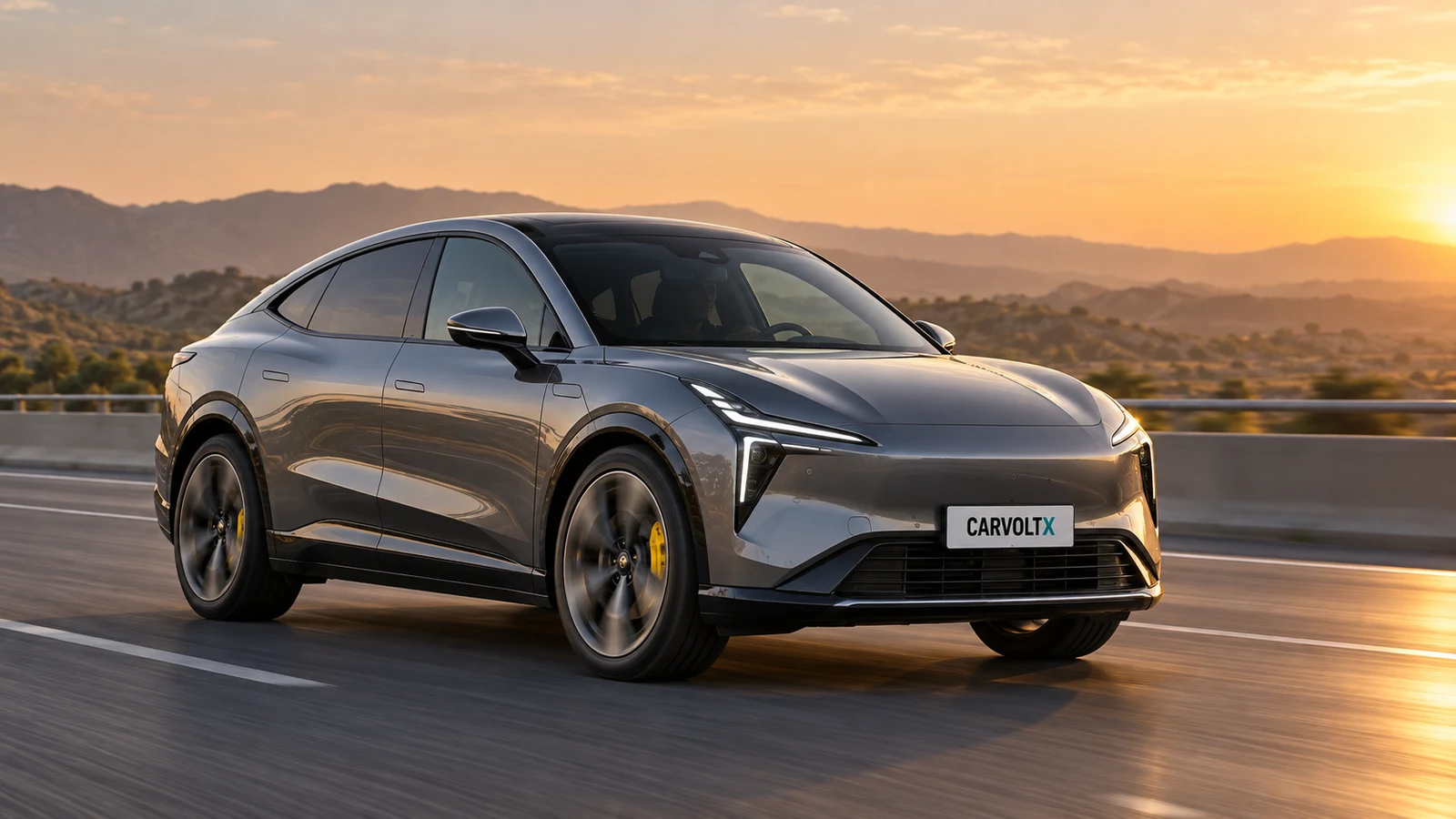


Tata Motors has extended its Battery-as-a-Service (BaaS) scheme to the Nexon EV, Curvv EV, Sierra EV and Harrier EV, so the option now covers all six of its electric cars in India. Under BaaS, the battery is financed separately from the car, which cuts the entry price of the Nexon EV to ₹8.99 lakh and the Harrier EV to ₹14.49 lakh. Autocar India reported the prices on 28 September 2026. Here is how it works and what to check before signing.
Tata BaaS prices in India
According to Autocar India, BaaS lowers the starting price of Tata's EVs by between ₹2.30 lakh and ₹7.30 lakh, depending on the model. Battery usage is then charged per kilometre.
| Model | Battery | Price with battery | BaaS price | Upfront saving | Battery usage |
|---|---|---|---|---|---|
| Tiago EV | 19kWh | ₹6.99 lakh | ₹4.69 lakh | ₹2.30 lakh | ₹2.6/km |
| Punch EV | 30kWh | ₹9.79 lakh | ₹6.59 lakh | ₹3.20 lakh | ₹2.6/km |
| Nexon EV | 45kWh | ₹14.34 lakh | ₹8.99 lakh | ₹5.35 lakh | ₹4.4/km |
| Curvv EV | 55kWh | ₹17.19 lakh | ₹10.99 lakh | ₹6.20 lakh | ₹5/km |
| Sierra EV | 63kWh | ₹18.79 lakh | ₹11.99 lakh | ₹6.80 lakh | ₹5.5/km |
| Harrier EV | 65kWh | ₹21.79 lakh | ₹14.49 lakh | ₹7.30 lakh | ₹5.9/km |
Note: prices are for entry-level variants for personal buyers. The per-km figures assume 60km of daily driving (44km for the Tiago EV) and exclude charging. Government levies, road tax, insurance and TCS are also excluded.
How Tata's BaaS works
Autocar India describes Tata's BaaS as a dual-loan finance product: the car and the battery are financed separately. The monthly battery payment depends on battery size, down payment and loan tenure. That payment does not cover charging, maintenance, repairs or other running costs. BaaS was previously offered only on the Tiago EV and Punch EV. Buyers can still choose to buy any Tata EV with the battery included in the price.
Why it matters now
Tata is India's best-selling EV brand, with 14,791 electric cars retailed in September 2026 according to FADA data reported by India Today. A lower entry price arrives as EV adoption accelerates, with EVs taking 8.5% of passenger-vehicle retail last month. There is no central purchase subsidy for private electric cars under PM E-DRIVE (PIB factsheet, 1 October 2026), so financing structures like BaaS are one of the few levers left to cut the upfront cost.
What it means for buyers in India
BaaS changes the shape of the cost, not necessarily the total. You pay less at the start, but you take on a per-kilometre battery charge for as long as the arrangement runs, on top of the cost of electricity. Whether that works out cheaper depends on how far you drive and for how long you keep the car.
| 1 | Low-mileage drivers may benefit most, because a per-km charge scales with use. |
|---|---|
| 2 | High-mileage drivers should add the per-km battery charge to their electricity cost and compare it with a petrol or CNG alternative. Our India fuel prices page shows today's petrol and diesel rates for that comparison. |
| 3 | Resale: ask how the battery contract transfers if you sell the car, and what happens at the end of the tenure. |
What buyers should check
| 1 | A written breakdown of both loans: car EMI, battery EMI, tenure, interest rate and any minimum usage commitment. |
|---|---|
| 2 | Whether the per-km rate is fixed for the full tenure or can be revised. |
| 3 | Battery warranty terms under BaaS compared with outright purchase. |
| 4 | The on-road price, including road tax and insurance, which are excluded from the figures above. |
| 5 | Whether festive offers on the Curvv EV or Harrier EV can be combined with BaaS. |
Bottom line
Tata's BaaS makes its EVs look far cheaper on the price tag, with the Nexon EV from ₹8.99 lakh and the Harrier EV from ₹14.49 lakh, and upfront savings of ₹2.30 lakh to ₹7.30 lakh. The real test is the per-km battery charge over the years you own the car. Run your own numbers before choosing between BaaS and the full price, and follow the CarvoltX blog for more EV ownership guides for India.