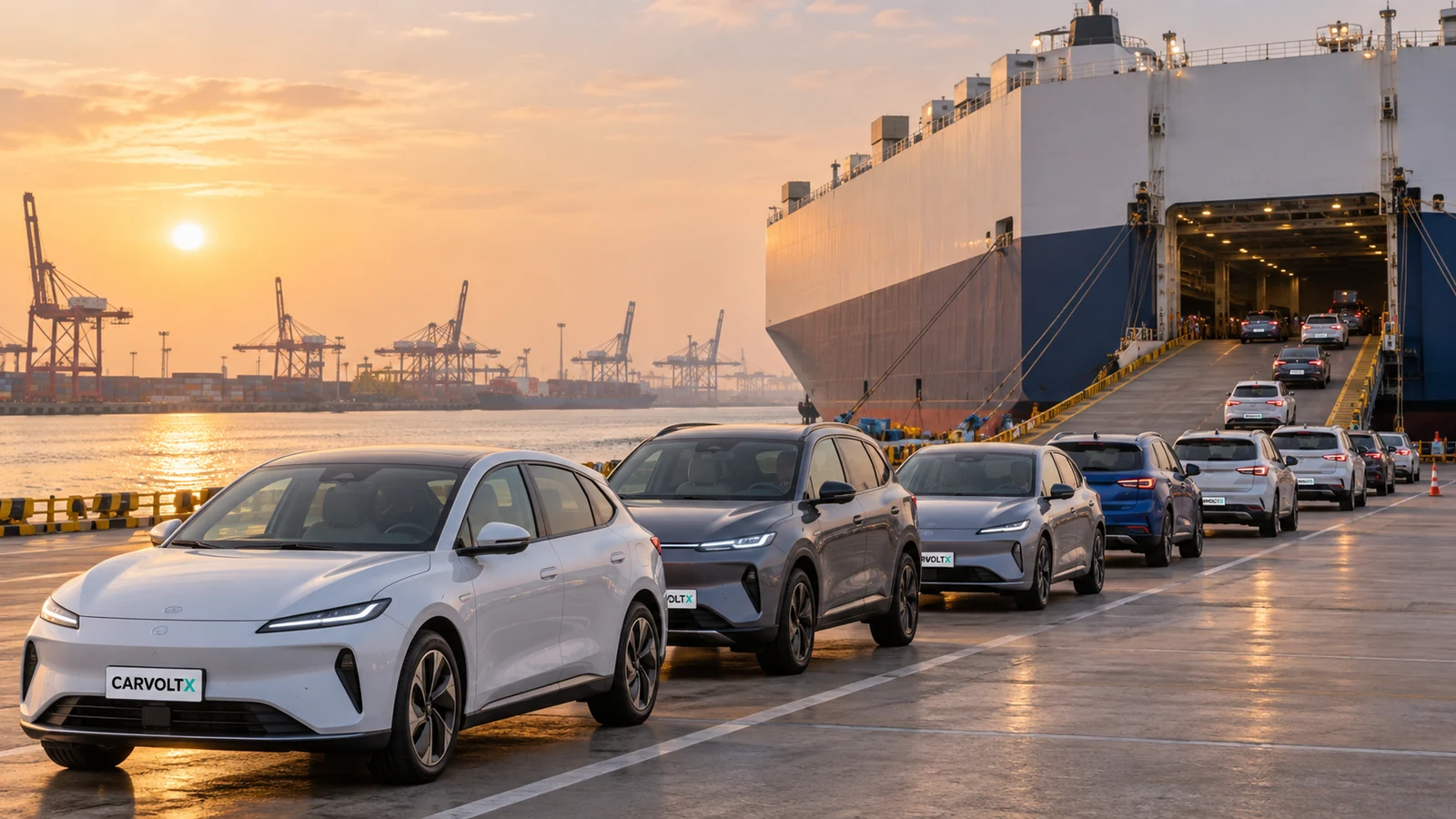


China has agreed to moderate its exports of hybrid and plug-in hybrid cars to the European Union, after Chinese brands grabbed 25% of Europe's plug-in hybrid (PHEV) market in the first half of 2026, up from just 2% in 2024. The understanding was reached in Beijing on 9 October during trade talks between EU Trade Commissioner Maroš Šefčovič and China's Commerce Minister Wang Wentao. The exact rules have not been published yet, and EU leaders will review the deal on 15 and 16 October.
EU and China hybrid deal at a glance
| Item | Detail |
|---|---|
| Chinese brands' share of Europe's PHEV market | 25% in H1 2026, up from 2% in 2024 |
| Chinese brands' share of Europe's hybrid market | 14% in H1 2026, up from 2% in 2024 |
| Cars covered | Hybrids and plug-in hybrids |
| Expected effect | Projected Chinese exports cut by more than half over four years |
| What that means | Several million fewer Chinese cars shipped to the EU |
| Quotas, prices and enforcement | Not yet published |
| Next step | Review by EU leaders on 15 and 16 October |
Why hybrids became the flashpoint
Since October 2024, Chinese battery-electric cars have faced extra anti-subsidy tariffs in the EU on top of the standard 10% import duty. Hybrids and plug-in hybrids were not covered by those extra tariffs, so Chinese brands shifted their push into Europe towards models with a petrol engine and a battery. The result was a sharp jump in market share in just two years, and growing concern among European carmakers about price pressure on one of their most important segments.
What China has agreed to
Šefčovič said the shared understanding opens the prospect of cutting China's hybrid and plug-in hybrid exports to the EU by more than half over four years, which he described as several million cars. That cut is measured against how exports were expected to grow without a deal, not against today's volumes. China's Commerce Ministry confirmed the understanding but gave no details on how exports will be limited, and neither side has published quotas, minimum prices or penalties.
What happens next
| 1 | 15 and 16 October: EU heads of state and government review the outcome at the European Council in Brussels. |
|---|---|
| 2 | If leaders back it: the European Commission starts the procedures needed to put it into effect. |
| 3 | Further talks: the two sides plan to speak again in January and hold their next full trade round in March 2027. |
What it could mean for buyers in Europe
For now, nothing changes in showrooms. Chinese plug-in hybrids already on sale remain available, and no new tariff or price rule has been announced. Over time, fewer imports could mean less discounting in the PHEV segment and more room for European brands, while Chinese makers may lean harder on cars built inside Europe. The wider trade picture matters too: the EU runs a trade deficit with China of more than EUR 1 billion a day, and Brussels sees this deal as a first step towards rebalancing it.
Thinking about a plug-in hybrid? Our guide to the run-in period for petrol, hybrid, PHEV and EV cars explains how to treat a new one.
Bottom line
China's agreement to cut hybrid and plug-in hybrid exports is the first deal of its kind between Brussels and Beijing, and it follows a jump from 2% to 25% in Chinese brands' share of Europe's PHEV market. The details will decide how much it changes, so watch the EU summit on 15 and 16 October, and follow the CarVoltX blog for updates.