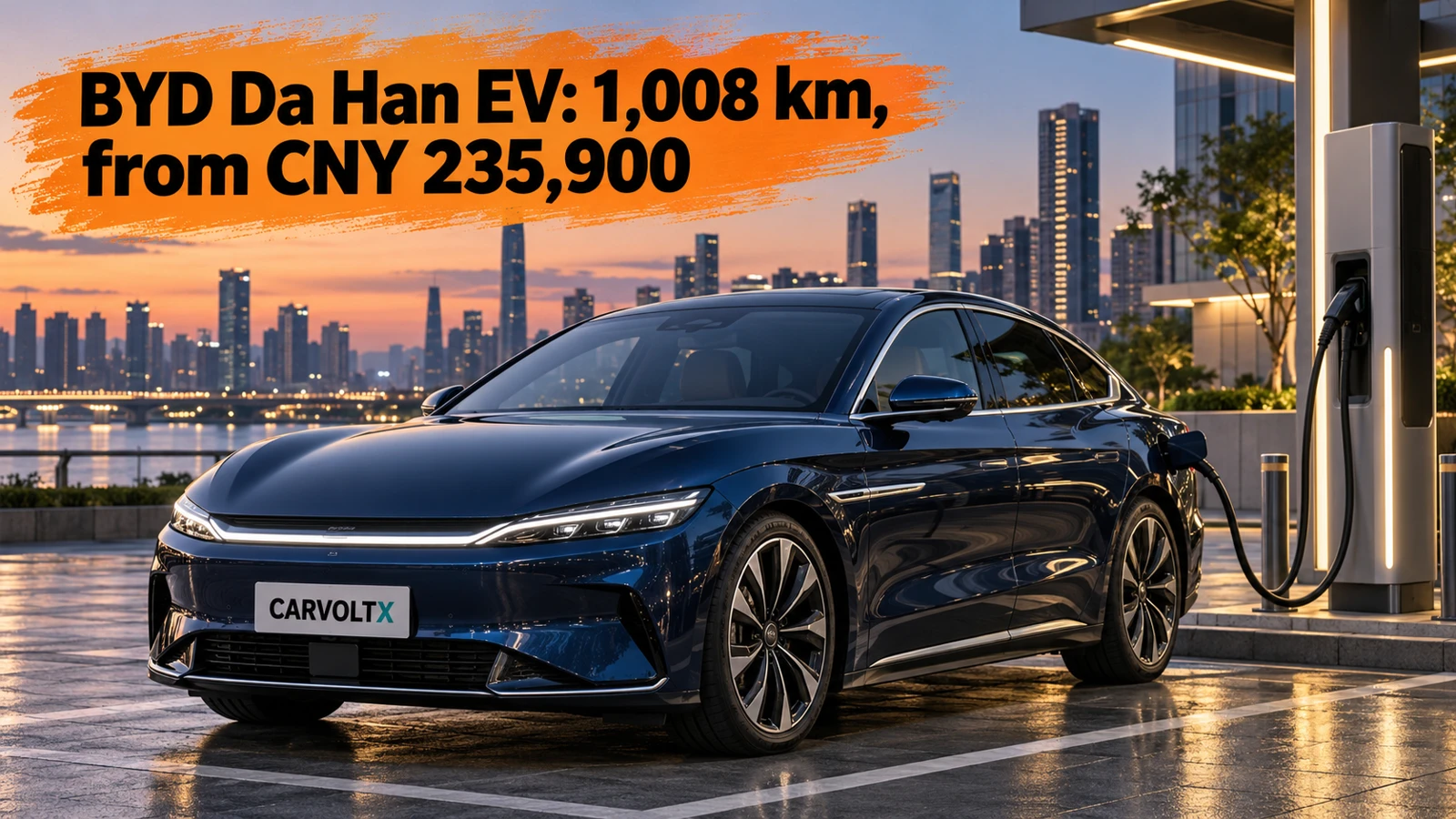



Prime Minister Shehbaz Sharif has reportedly approved proposed tax relief for new-energy vehicles under the draft Auto Policy 2026 to 2031, including a proposed 1 percent sales-tax treatment for qualifying vehicles and related production inputs.
The word draft is crucial. An approved policy proposal is not automatically the same as an enacted tax law, final SRO or price reduction available at a dealership.
Buyers should wait for published legal notifications, eligibility definitions and updated official price lists before calculating savings.
What Has Been Proposed?
The reported proposal would apply a 1 percent sales tax to qualifying new-energy vehicles, completely knocked down kits, parts, inputs and raw materials. Reports also refer to relief from other taxes, but the exact scope and legal mechanism require confirmation in the final documents.
The policy is intended to cover a five-year period from 2026 to 2031. Implementation dates, transitional rules and the definition of qualifying technology remain essential details.
New-energy vehicle can refer to battery-electric, plug-in hybrid and other electrified categories, but readers should not assume every hybrid or imported vehicle will receive identical treatment.
Approval Does Not Yet Guarantee a Lower Sticker Price
Even after a tax reduction becomes law, the final effect on retail price depends on vehicle cost, exchange rate, freight, duties, localisation, dealer margins and whether manufacturers pass the benefit to customers.
A lower tax rate on parts may improve local-assembly economics without producing an immediate one-for-one reduction in the showroom price.
Buyers should compare dated official price lists before and after implementation. This is more reliable than applying a percentage to the current price independently.
The PKR 3 Million and PKR 10 Million Figures
They may relate to value limits, categories, financing or another part of the draft proposal. CarvoltX will not assign a meaning without the original policy wording or official government briefing.
These numbers should remain out of public claims until their definitions, conditions and tax treatment are verified.

What Buyers Should Watch
The final notification should answer several practical questions:
| 1 | Which vehicle technologies qualify? |
|---|---|
| 2 | Does the relief apply to imported vehicles, locally assembled vehicles or both? |
| 3 | Are there price or battery-size limits? |
| 4 | What is the effective date? |
| 5 | How are existing bookings treated? |
| 6 | Do parts and charging equipment qualify? |
| 7 | Which federal taxes are reduced or removed? |
| 8 | Are provincial registration and token taxes affected? |
Federal tax relief does not automatically change every provincial fee. Registration, withholding and annual taxes may follow separate rules.
Could Local Assembly Benefit?
Reduced taxes on kits, components and raw materials could encourage local production if the final policy provides predictable long-term treatment.
Local assembly may support supply, employment and parts availability, but incentives should be evaluated alongside safety standards, localisation targets, warranty enforcement and recycling plans.
Consumers benefit most when policy stability encourages competition and manufacturers publish transparent prices.
Should You Delay an EV Purchase?
If you are close to buying an EV or plug-in hybrid, ask the manufacturer how a future tax change would affect existing bookings. Do not assume that a deposit automatically qualifies for a later reduction.
Delaying may be reasonable when the final notification is expected soon and your purchase is flexible. It may not make sense if you urgently need a vehicle or the model is unlikely to qualify.
Any decision should be based on written booking terms, not a promise that taxes will definitely fall.
Practical Takeaway
The proposed 1 percent sales-tax treatment could materially influence Pakistan's new-energy vehicle market, particularly if it applies clearly to vehicles, local-assembly kits and components.
For now, buyers should treat it as a policy proposal rather than a completed price cut. The decisive documents will be the final Auto Policy, Finance Act changes, SROs, customs notifications and updated manufacturer price lists.