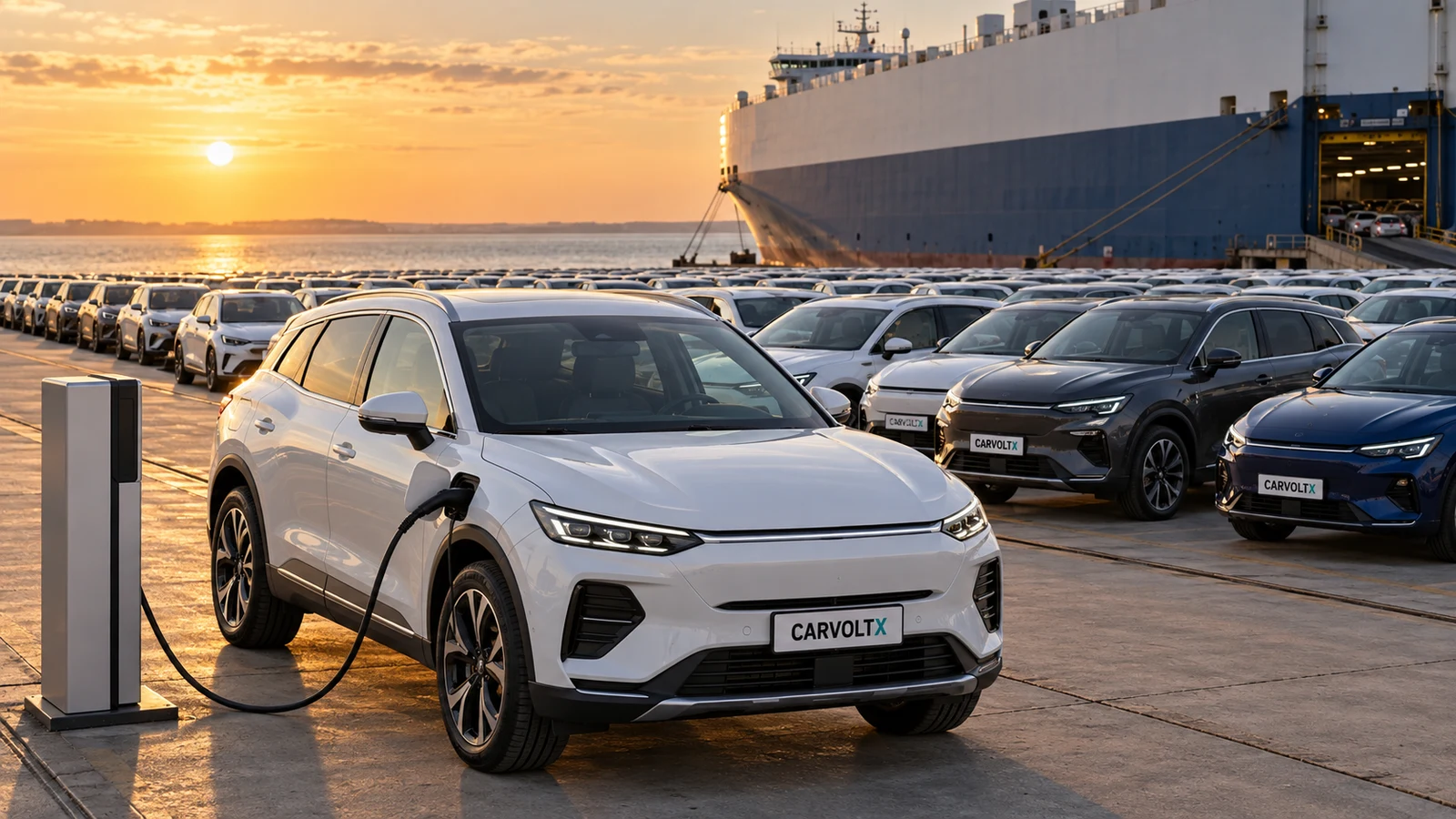



MG Pakistan has announced plans to send locally assembled completely knocked down, or CKD, vehicle units to Bangladesh. Two sample shipments are reportedly scheduled for September 2026, following a memorandum of understanding signed in July, while wider exports are planned for 2027.
This is an important industrial milestone, but it should be described accurately. Sample shipments are a validation step, not proof that full-scale exports have already begun. Models, volumes, contract value and the commercial launch schedule must be confirmed through MG Pakistan and its Bangladeshi partner.
What CKD Export Means
A CKD programme generally supplies vehicle parts or kits for assembly in the destination market. The exact content can vary. Some components may be produced locally in Pakistan, while others originate elsewhere and pass through the local manufacturing system.
Why Start With Samples
Sample units allow both partners to test packaging, documentation, customs handling, assembly procedures and quality requirements. The receiving operation can identify missing tools, training or parts before commercial volumes begin.
This stage can also help validate right-hand-drive specification, software, labelling and market-specific compliance. A successful sample does not guarantee a 2027 rollout, but it reduces execution risk.
Potential Benefits for Pakistan
Regular exports could improve factory utilisation, support supplier development and bring foreign-exchange earnings. Higher production volume can justify investment in tooling, training and quality systems. Local vendors may benefit if exported kits include a meaningful share of Pakistan-produced components.
The quality of the opportunity matters more than the headline alone. Sustainable value depends on repeat orders, competitive costs and increasing localisation rather than a small one-off shipment.
What Bangladesh Gains
Bangladesh could receive a nearer regional supply route, technical cooperation and potential assembly activity. The business case will depend on duties, logistics, demand, after-sales support and local industrial policy. Exact arrangements should come from the partner companies and authorities.
Key Questions Still Open
MG should clarify which models are included, whether the units are full CKD kits or another format, how many vehicles are planned, and where final assembly will occur. It should also state what percentage of export value originates in Pakistan.
Other questions include warranty responsibility, parts supply, quality auditing and whether the July agreement contains binding commercial targets. These details separate an encouraging announcement from a measurable export programme.
Why It Matters for Buyers
Exports do not automatically mean lower local prices or immediate product changes. Pakistani buyers may benefit indirectly if higher volume strengthens parts supply and manufacturing capability, but currency, taxes and market demand still influence pricing.
Consumers comparing MG vehicles can use the CarvoltX compare cars tool and calculate acquisition costs through the on-road cost tool. Current official specifications remain essential.
How to read this update
The sample shipments are a positive signal for Pakistan's automotive manufacturing ambitions. The real test will come in 2027: repeat commercial orders, disclosed volumes, consistent quality and a growing share of locally created value.
Until then, describe the programme as planned exports following sample validation. That wording celebrates progress without turning a future target into a completed achievement.
How to Measure Progress
The first useful checkpoint is proof that both September sample consignments left Pakistan and were received. The next is validation or assembly feedback from Bangladesh. Commercial purchase orders, recurring shipment data and export earnings would then show whether the programme moved beyond testing.
Employment claims should be supported by disclosed hiring or supplier contracts. Export value should distinguish locally added value from imported content. These measures provide a clearer industrial picture than counting kits alone.
Risks to the Plan
Exchange rates, shipping costs, regulatory approvals, demand and partner readiness could change the 2027 schedule. Quality problems during sample assembly could also require additional validation. Reporting these uncertainties does not weaken the announcement; it explains what successful execution requires.
Future updates should preserve the difference between MoU, samples, commercial agreement and sustained exports. Each is a separate milestone with stronger evidence.